The rutabaga is a turnip cabbage developed in Scandinavia in the Middle Ages. Its reputation in Europe is often associated with the Second World War, but it arrived in Quebec in around 1803 and our ancestors called it the chou de Siam – Siam cabbage.
We are told that a dish called Siam pie was served in the logging camps. Even after research, I haven’t been able to track down a recipe, but I’m still trying.
When I was little, my mother made a stew from beef and vegetables into which she incorporated the famous rutabaga. In spite of a TV program called “Sur la rue Tabaga” – which I watched attentively in ’89 – I really didn’t care for this garden vegetable.
Nowadays, however, my mouth waters at the mere idea of a dish made from long- simmered meat and rutabaga. It’s best to choose one that’s young, firm, and not too big. If you’re lucky enough to have a cold room in your house, this root vegetable can be kept there a long time.
While rutababa makes wonderful soups and exceptionally good purées, its versatility in the kitchen can be surprising. Birch syrup, wintergreen and several boreal spices can add the perfect note to this vegetable… which certainly deserves our respect.
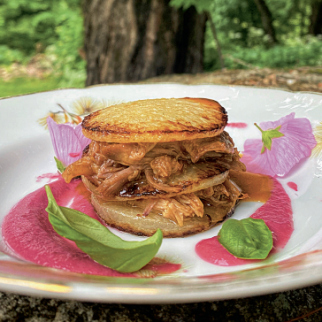
In winter, rutabaga is on every menu, and with good reason. A dish of braised venison from Ferme Richard Lemay in Saint-André-d’Argenteuil causes a sensation on my plates. This vegetable certainly deserves its reputation for excellence when I describe the dish. We’re well past the days when vegetables were just an add-on to the meat.
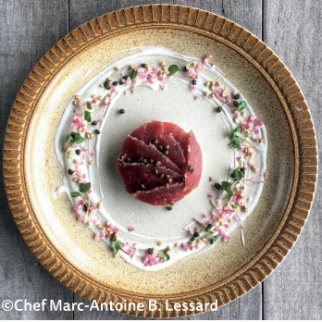
Rutabaga has every reason to be the main player in a dish.
Column by Chef Marc-Antoine B. Lessard